Cooking for vegans

Cooking for vegans can be a bit daunting if you have not done it before but it is a lot easier than it was when I was young and vegan alternatives for products were few and far between. Here are some notes to help you.

Being vegan means no meat, eggs or dairy products, not just as main ingredients but also as added ingredients in ready made sauces, margarines and other products. You might be surprised at the products that add things such as skimmed milk powder and animal derived products so reading the ingredients is the first rule of buying any processed food. Fortunately though there are now lots of vegan alternatives to most things available in every supermarket so here are just a few suggestions.

Butter/margarine – look for products labelled plant based like Flora’s plant based margarine or Naturli – you can use these just like you would any dairy version to make pastry, sauces or cakes. You will find these alongside dairy products in the fridge cabinets.

Milk – there are lots of plant based milks available, some are sweetened so if you want to substitute milk in a savoury dish look for the unsweetened variety. Oat milk is a good choice, though soy milk is quite versatile too. You will probably find these in the ‘Free From’ aisle.

Cheese – there are now lots of vegan cheeses available. They vary a bit in how well they melt and their taste. Violife is a popular brand in supermarkets, though Lidl and Aldi both do their own brands of vegan cheeses (Vemondo and Plant Menu). Vegan ‘Greek style’ cheese is a great substitute for Feta in salads but dissolves when cooked. Another way to get a cheesy taste in a white sauce is to add miso and/or marmite.

Eggs – Substitutes for eggs vary depending on what is being cooked. For savoury dishes where a binder is needed, chickpea flour, (gram flour) is a good alternative. It is even possible to make a Spanish tortilla using chickpea flour mixed with water instead of egg. You can get chickpea flour in many supermarkets – Dove’s Farm is one brand to look out for but you will also find gram flour in the ‘World foods’ or ‘Asian’ aisle of the supermarket. For baking cakes some recipes use vinegar and other readily available products instead of egg you just need to follow the recipe closely. However, I have found soy milk or soy cream is a good substitute for egg with other quantities of margarine, sugar and flour remaining the same as in non-vegan recipes, you just add the soy milk to get the cake batter to ‘dropping’ consistency.

Stock – look for vegetable stocks which are labelled as suitable for vegans as some contain gelatine which is an animal product. There are lots available including brands like Kallo and Oxo.

Meat substitutes – depending on what you are cooking there are various ways to substitute protein in dishes you would normally cook with meat. The chiller and freezer cabinets in supermarkets now have lots of plant based meat substitutes for example Quorn – but look out for those which are suitable for vegans as a lot of the Quorn range contains egg. However, these meat substitutes can be expensive and are quite highly processed so a better alternative is to use beans and pulses. Lentils for example are a great and cheap substitute for mince meat in a recipe such as lasagne, especially combined with mushrooms which are often used as a meat substitute in recipes. Tins of chickpeas, kidney beans, butter beans etc are also great for putting the protein into curries, casseroles, chilli, vegan shepherd’s pie etc. Combine the pulses with plenty of vegetables to give variety of texture and tastes.

Pastry – Quite a lot of the ready made pastry in supermarkets is vegan, e.g. Lidl and Aldi puff pastry. Check that it says suitable for vegans on the pack. If you prefer to make your own then simply use a vegan margarine.

Vegan cookery can be fun, trust your instincts and enjoy experimenting with something new 🙂

Land of Hope and Glory

There has been a lot of debate in the UK about the possibility that Land of Hope and Glory and Rule Brittania might not be sung at the last night of the Proms. I imagine the main reason for this was because singing is considered to be dangerous, as a Covid spreader. There is no congregational singing allowed in Churches for the foreseeable future and I think schools have also stopped singing in assemblies or music lessons. This is a sad thing, and may eventually prove to be uneccesary, indeed some research already shows that it is no more dangerous than speaking. Anyway, the decision by the BBC to have orchestral only versions of these songs was met with dismay by some quarters of UK society.

Both songs are seen as patriotic rallying cries, and have been sung at the Proms for more than a century, with one of the few noticeable exceptions being just after the attacks on the World Trade Centre. The songs mark the end of the Promenade concert season with this lusty community singing. The true Promenaders on this occasion are those who stand in the space in the front of the stage waving flags and singing full voice. When the discussion started I felt compelled to look out footage of the event, the crowd does not reflect the age or diversity of Britain today.

What really ate at me though was the thought that at a time when the flaws in UK society have never been more visible nor the divisions as wide, people were getting upset about a tradition which has become imbued with jingoism and privilege. My response was to create a collage which reflects the state of our country. My heart bleeds for those who risk life and limb to get here because they have been sold the lie that it is a fair and decent land rather than a land in the hands of a government that is gradually dismantling all of the benefits that it once offered its citizens. It also has been redefining citizenship in a particularly nasty way with its hostile environment policy. There are so many other things I could have included in this video, in particular the cruel way in which the NHS continues to be run down, badly treated and sold off even though it has been vital during the pandemic. However, there is only so much you can do in a minute and a half.

Land of hope and glory, mother of the free
How shall we extol thee, who are born of thee?
Wider still and wider shall thy bounds be set
God, who made thee mighty, make thee mightier yet

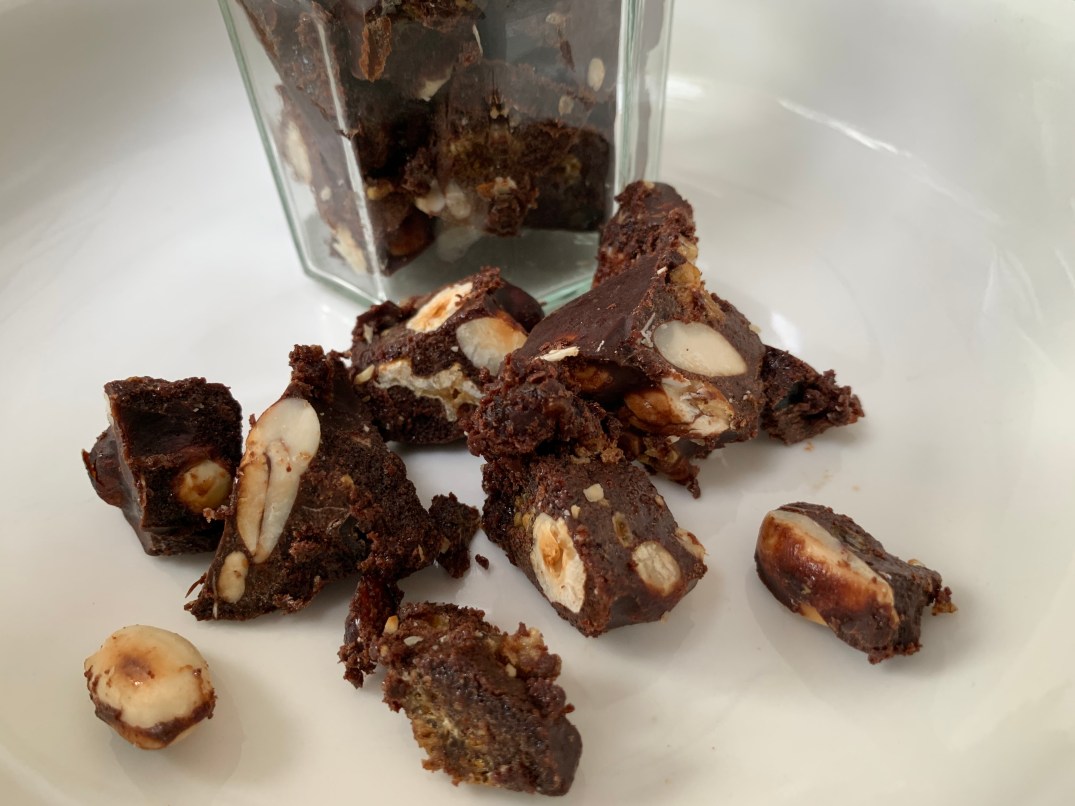
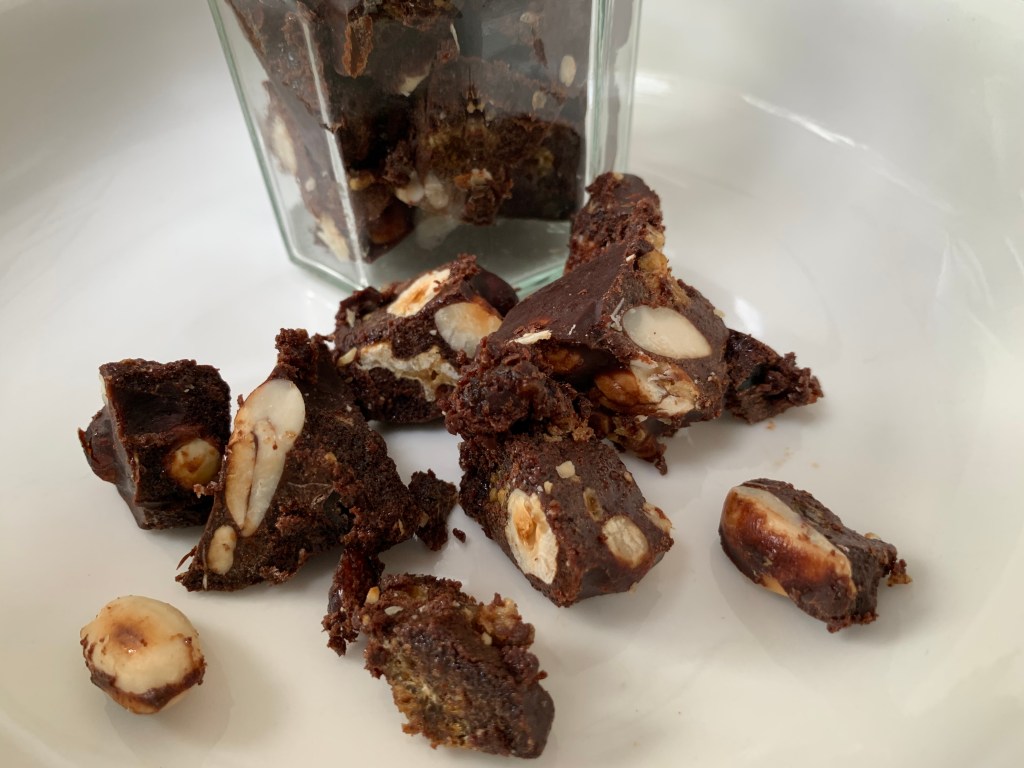
Raw Fruit and Nut Chocolate

This was the first chocolate I ever made and people seem to like it. I use date syrup to sweeten it, which I have not seen in other recipes. The result is a rich fruity chocolate which is a great complement to nuts and dried fruit. You can use any combination of nuts and fruit that you fancy. At Christmas I often use goji berries because they bring a festive red to the chocolate, I also sometimes include dried shredded coconut, don’t be afraid to experiment. Toasting the nuts and coconuts adds crispness and flavour but you don’t need to do this if you would prefer not too. Just pack the chocolate with lots of fruit and nuts so there is some in every bite.

Ingredients

  • 75g Raw cacao paste
  • 75g Raw cacao butter
  • 75ml Date syrup
  • 1 teaspoon of rose or vanilla essence (I like rose but vanilla is good too)
  • 100g of nuts
  • 100g of dried fruit eg cranberries, golden berries, goji berries and (my favourite) white mulberries

Method

  1. Put a glass bowl in a saucepan full of boiled water to create a Bain Marie (the bowl should be big enough, and the pan small enough, that water cannot get into the bowl.
  2. Melt the cacao paste and cacao butter together in the bowl, stirring constantly to help it melt.
  3. When all the cacao is melted add in the essence and the date syrup, keep stirring.
  4. You should find that the mixture begins to thicken a little when the date syrup is added. Taste test it with a small teaspoon, if you feel it needs to be sweeter add a little more syrup, but this ratio of a third each for the main ingredients usually works.
  5. Line a saucer or other flattish receptacle with greaseproof paper.
  6. Toast the nuts if you would like them toasted.
  7. You can either pour the chocolate into the receptacle and then add the nuts and fruit or put the fruit and nuts into the receptacle and pour the chocolate over (or a combination of both).
  8. To cool the chocolate either place in the freezer for 20 minutes or so or cool in the fridge until the chocolate is completely set.
  9. The chocolate melts easily so is best kept in the fridge until you are ready to eat it, you will find a little goes a long way!

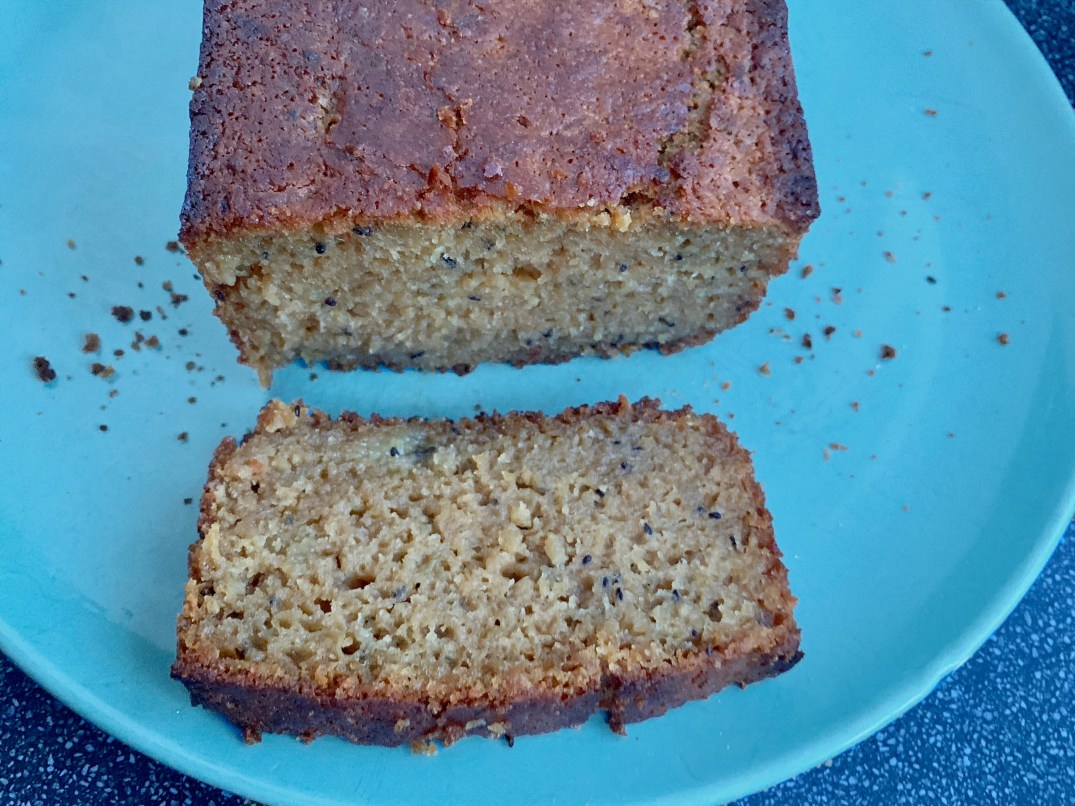
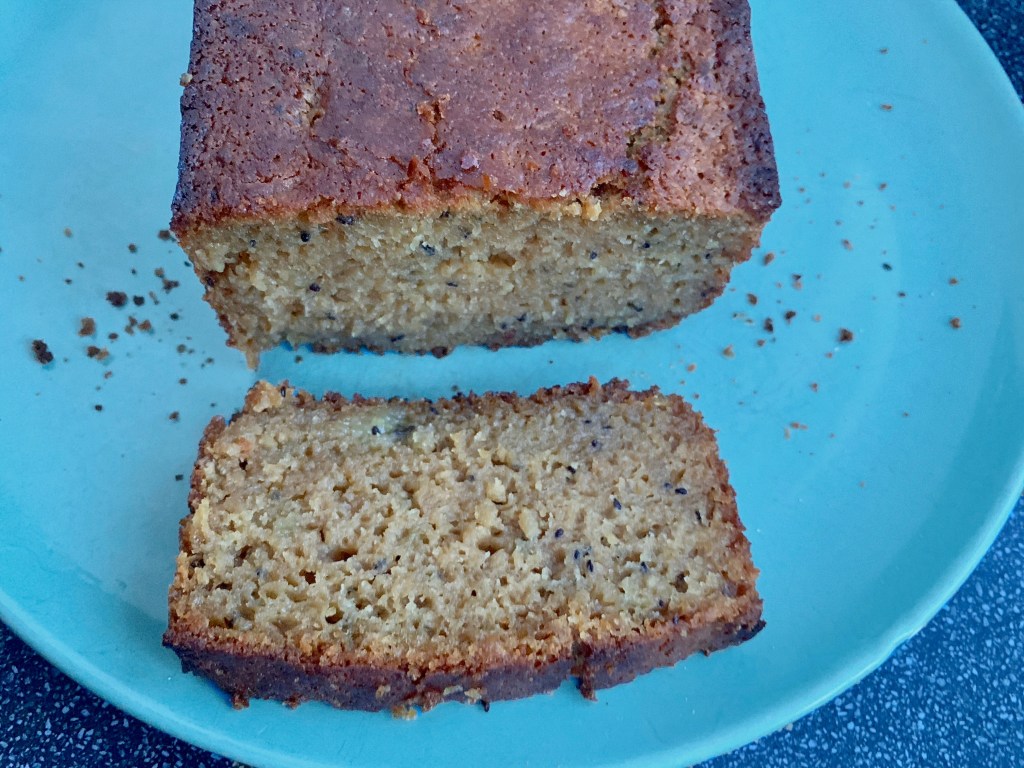
Kiwi loaf

We had a few too many kiwi fruits going soft because they had come in our Riverford fruit box and not been eaten quickly enough, so I started looking around for recipes. I was slightly surprised to find that kiwi loaf is a thing, like banana bread but made with ripe kiwis. The recipes I found included things I don’t eat so I decided to make my own version. It turned out really tasty, my husband who is never slow to tell you if he does not like something, ate two slices straight off, so I am confident that, if you like the slightly acidic, almost citrus like notes of kiwi you will too.

Ingredients

  • 125g Coconut oil
  • 250g Coconut palm sugar
  • 250g Gluten free flour
  • 6 over-ripe kiwi fruit
  • Soya cream, oat or nut milk

Method

  1. Melt the oil if is solid and add to a mixing bowl
  2. Add the sugar and flour
  3. Mash up the kiwis in a separate bowl, I used a fork and took out the slightly hard bits you get at the base of the fruit.
  4. Add the kiwis to the mixing bowl and stir well
  5. Add soya cream or another form of plant milk to achieve a dropping consistency – the kiwis have a lot of moisture so you won’t need much.
  6. Grease a loaf tin with coconut oil and line with greaseproof paper to make it easier to get out
  7. Bake at 180 degrees for about 30 minutes or until a knife comes out clean if inserted into the middle of the cake.

I enjoyed eating this on its own, but my husband buttered his, find your own way 🙂

The use of gluten free flour gives a pleasing crunch to the crus

Bean Burgers

Bean burgers are very satisfying and quick to make. Their beauty is that you can combine all sorts of beans, vegetables and seasonings into the mix depending on what you have to hand and what you fancy. The recipe below uses mushroom, onion, pepper and courgette with borlotti beans, which are a favourite of mine, with chipotle as the seasoning.

Ingredients

  • Can of borlotti beans, drained and washed
  • 3 chestnut mushrooms sliced (if you want it very mushroomy add more, and any type is fine)
  • Half a romano pepper chopped small (a bell pepper would be fine too but Romanos are less fleshy)
  • Half a small courgette grated
  • 1 smallish onion finely chopped (though more won’t hurt if you like onion)
  • 1 tablespoon of chickpea (or gram) flour
  • Chipotle powder to taste
  • Dash of Tamari (or soy sauce) which is my preferred way way of adding salt
  • Olive oil for frying

Method

  1. Mash the beans, and veg together in a mixing bowl making sure to blend it all well together
  2. Add the chickpea flour, this will help the mix stick together. Stir thoroughly
  3. Take handfuls of the mix and create balls about 7cm round.
  4. Heat olive oil in a frying pan – it does not need to be deep, just covering the surface of the pan to prevent the burgers sticking – use a high heat at first.
  5. Add burgers to the pan and once the underside of the patties have sealed (it only takes a minute or so) turn the heat down to medium.
  6. Continue cooking for about ten minutes turning frequently to get both sides well browned and the middle cooked.
  7. Serve with salad or indeed any way that you like

Any burgers that you don’t eat can be cooled down and refrigerated or frozen and reheated in the oven when you want them.

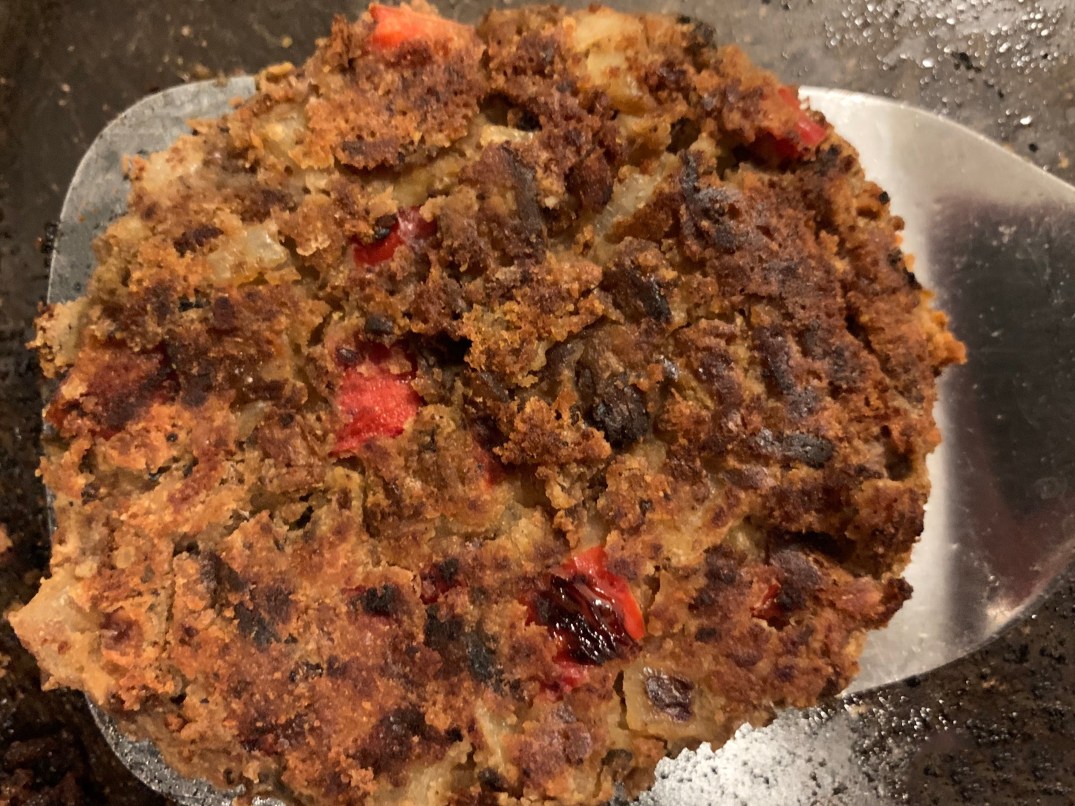
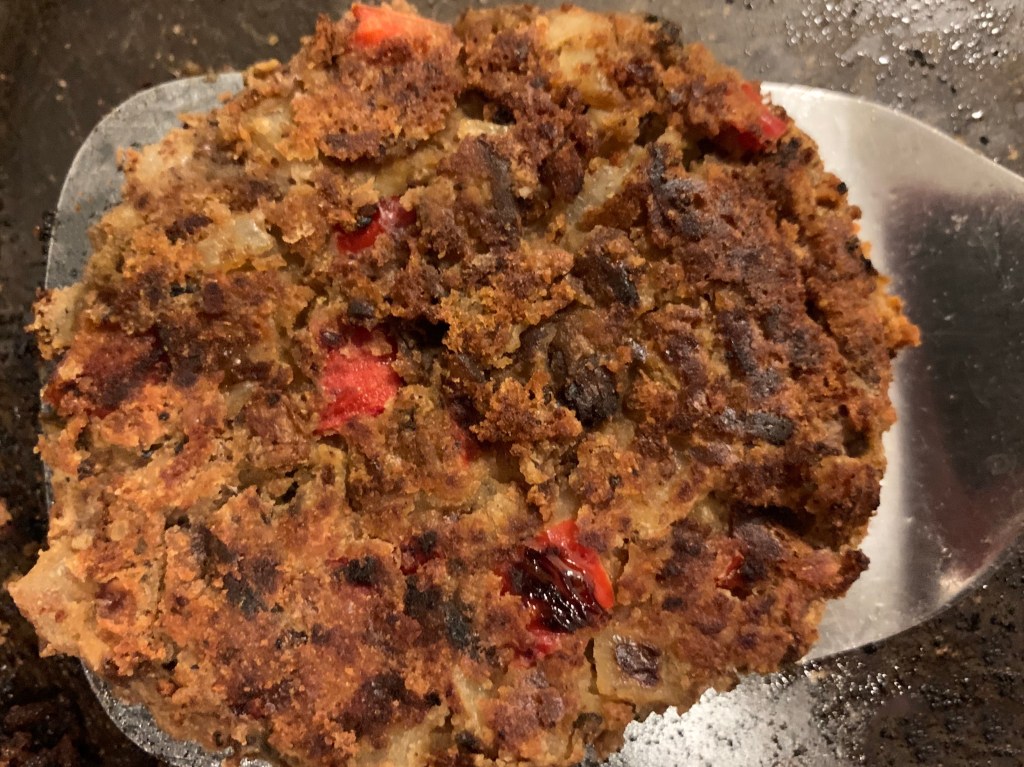
The outside might be brown, but there’s colour in these burgers

Blackcurrant Sugar-free Jam

This would be described as a spread rather than a jam if sold commercially as it does not contain sugar. The sweetness comes from concentrated apple juice. This is not as sweet as normal jam, but if you like the tartness of blackcurrant you will love this.

Ingredients

  • 1kg of blackcurrants
  • 500ml of apple juice concentrate (found in health food shops)

Method

  1. Pour the apple juice into a large pan and bring to the boil
  2. Simmer for 10 minutes to start reducing the juice down
  3. Add the blackcurrants and simmer for 5 minutes with the lid on
  4. Remove the lid and turn the heat up to medium high to cook for another 10 minutes
  5. Test the jam is ready by either drawing a spoon in a line across the bottom – you should hear a hissing sound, or take a spoonful and put it on a cold saucer to rapidly cool it, you’ll soon know if it is thick enough
  6. Prepare your jam jars. I like to boil mine in a saucepan for a couple of minutes to make sure they are sterile.
  7. Fill the jars with the jam (I find that a jam funnel really helps to get the jam into the jar without making a mess) I made 3 jars with a little left over with the quantities above.
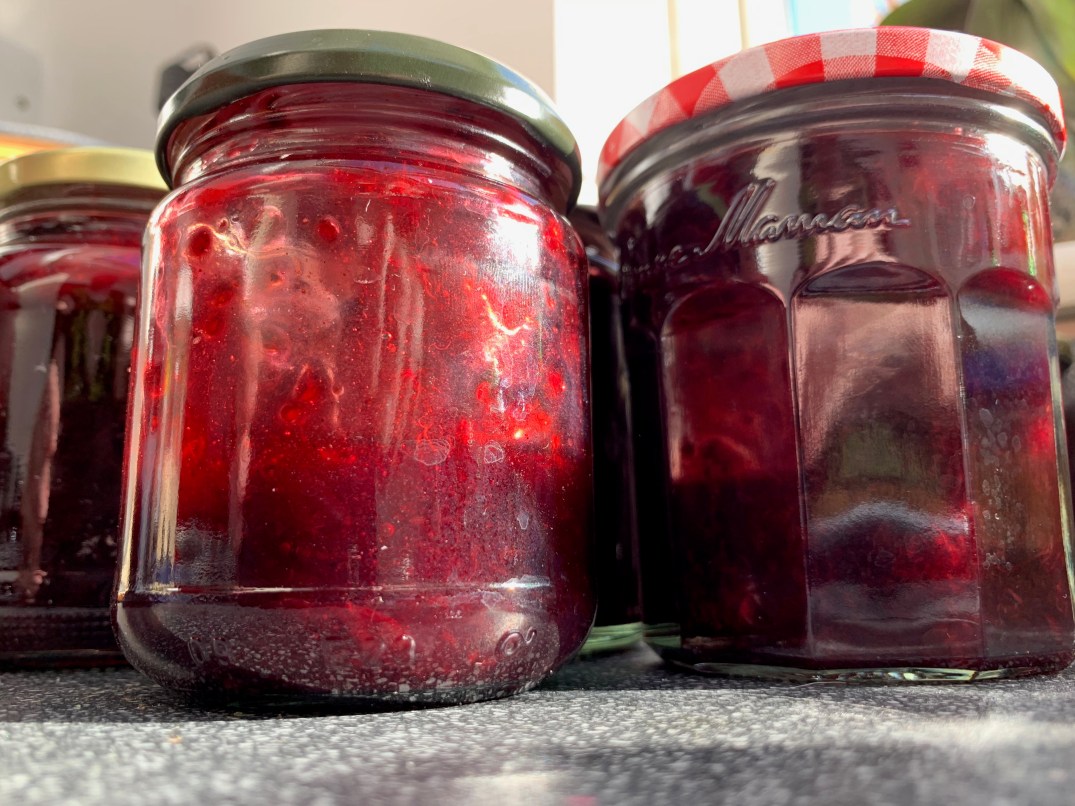
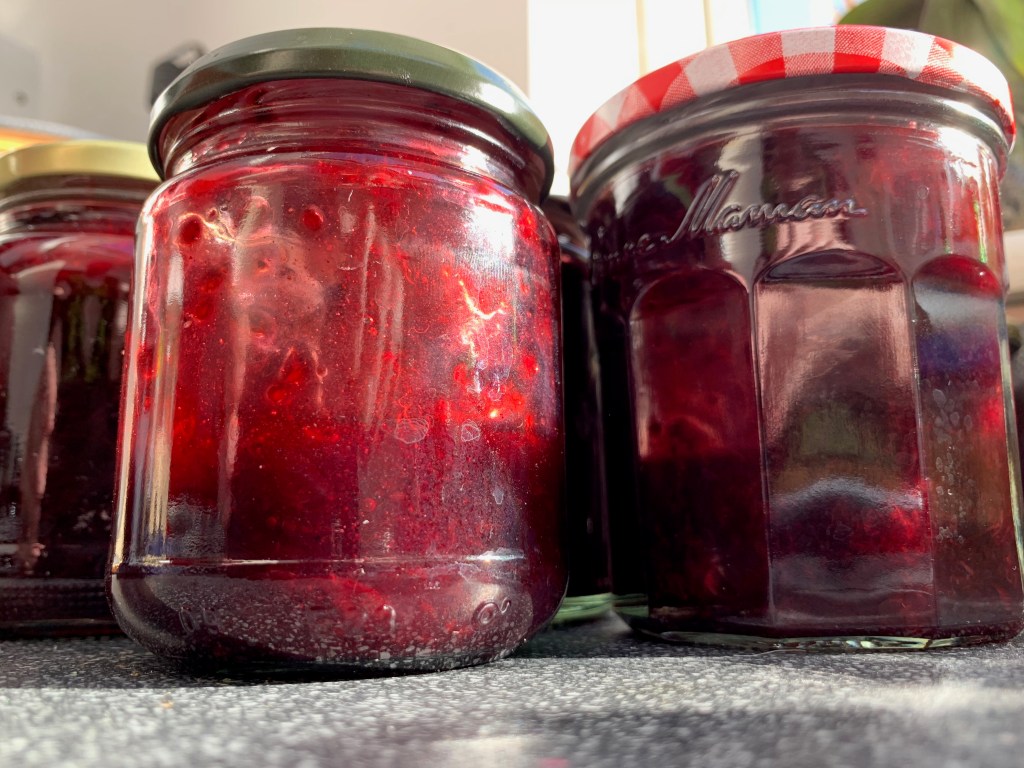
Three full size jars and half a little one made with 500g of blackcurrant
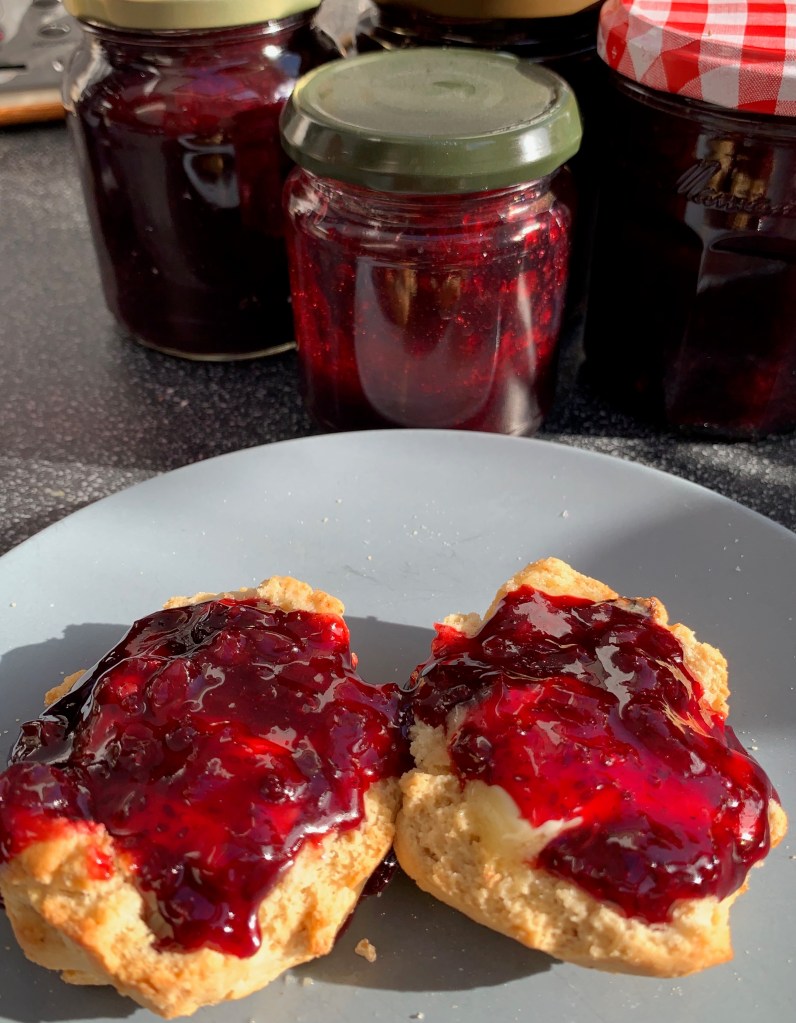
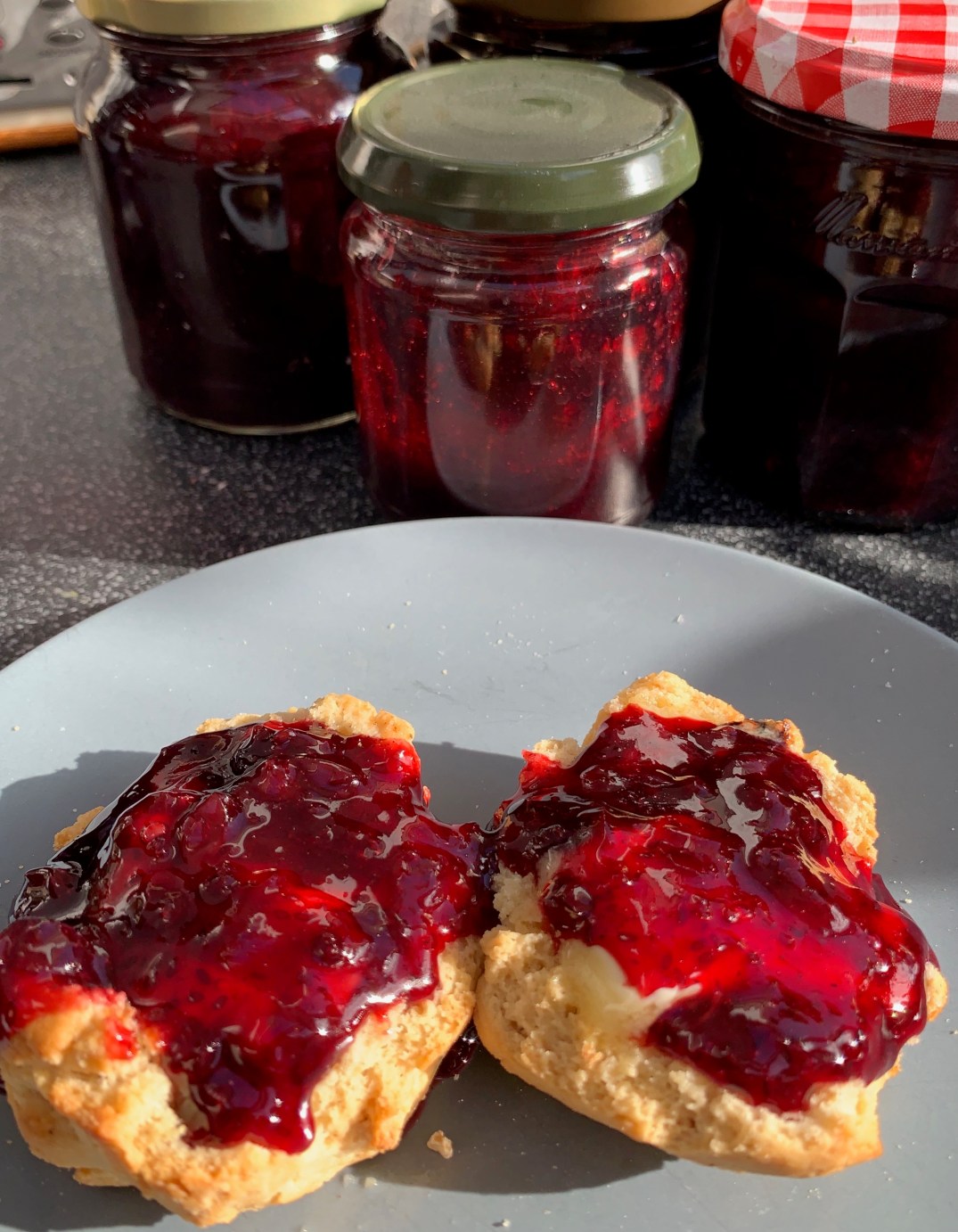
The jam goes well on gluten free scones

Cranberry Scones

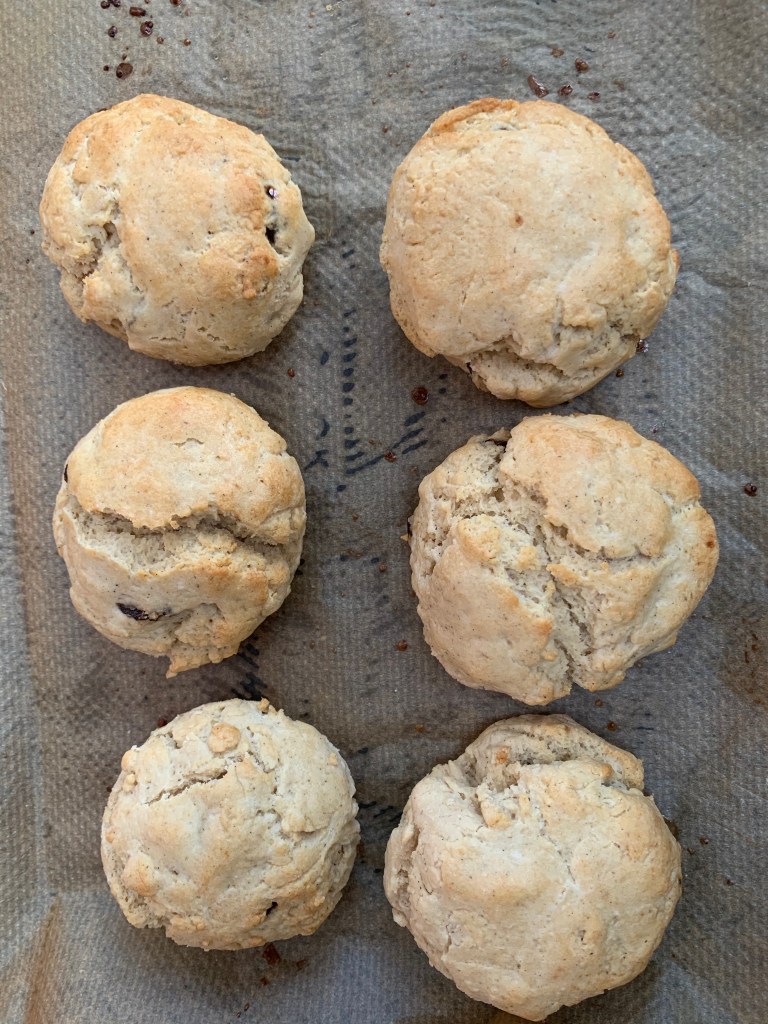
This recipe includes dried cranberries because I quite like their tanginess but it could, equally well be made with a sweeter dried fruit like raisins or sultanas, which is more traditional. However, the mixture can also be plain. I’ve used gluten free flour, vegan butter and unrefined sugar but you could always substitute ‘normal’ ingredients.

Makes about 12 scones

Ingredients

  • 500g gluten free self raising flour
  • 125g vegan butter, margarine or coconut oil (I really like Naturli vegan butter)
  • 1.5 teaspoons of gf baking powder
  • 4 teaspoons of coconut palm sugar (optional)
  • Handful and a half of dried cranberries, cut in half
  • 1.5 teaspoons of vanilla extract, paste or powder
  • 250ml Oat, plant or nut milk
  • 4.5 teaspoons of lemon juice

Method

  1. Mix together flour, baking powder and butter blending it till it has the texture of breadcrumbs
  2. Add in the sugar, vanilla and cranberries
  3. Mix in the oat milk and lemon juice to create a dough
  4. Pre-grease a baking tray and line with greaseproof paper
  5. My lazy way of making the individual scones is to break off pieces of dough to roll into balls and then flatten a little when placing onto the baking tray – if you want more regular shapes roll out the dough to about 1.5 cm thick and use a cutter

The joy of salad

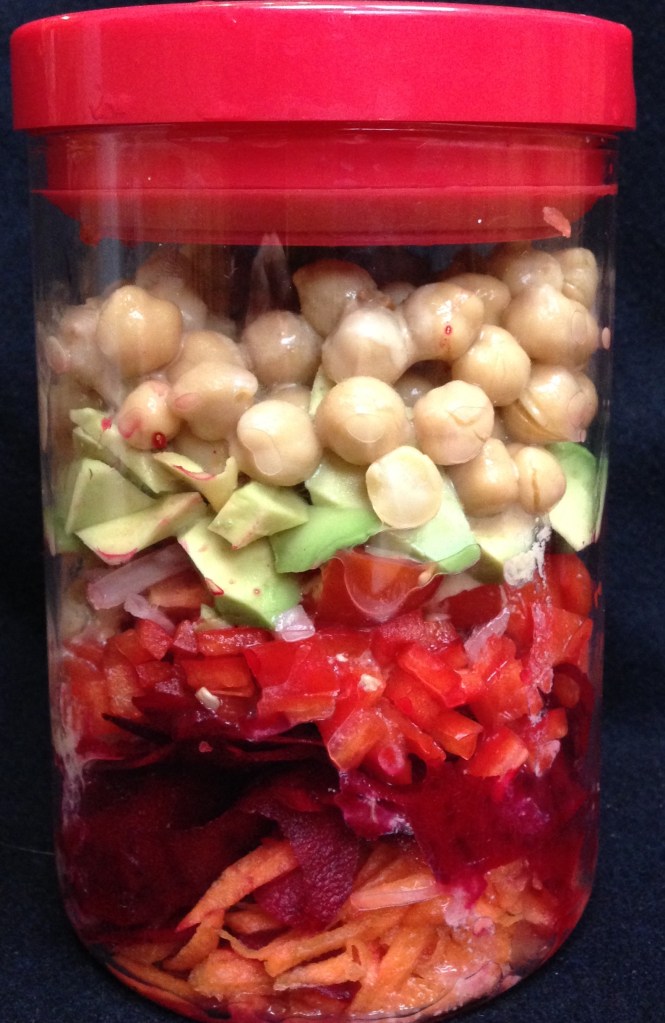
In the days when I went out to work, rather than now when I stay in to work, my colleagues frequently suffered from salad envy. My lunch most days would comprise a large jam jar layered with salad and beans or seeds for substance and protein. Rainbow jars full of fresh vegetables became a bit of a signature for me. However, my love of salad developed late in life, it was prompted by illness and trying to eat a cornucopia of multi-coloured fruit and veg every day. Having discovered it though I have never looked back

A jar full of salad, carrot, beetroot, pepper, spring onion, avocado and chickpea

In my parents home salad with a meal meant a lettuce leaf and maybe slices of tomato and cucumber. My grandfather, originally from Germany, made great salads and used exotic things like dandelion leaves and endive and I remember his salads fondly, but I was too young to really appreciate them and he died before I had much interest in foods other than salad cream on toast and tinned peaches.

In my twenties I recall many gatherings where the ritual setting out of lettuce, tomato and cucumber heralded the advent of a light tea, usually accompanied by slices of egg, cheese or ham, depending on one’s preference. I can still picture the aunties of my first boyfriend flocking together, setting out the smaller plates with their green and red fare. Having become vegetarian at 17 and vegan a year or so later, I did encounter salad when eating out, I have fond memories of falafel and salad from Gaby’s by Leicester Square tube station – sadly no longer there, but the aspiration to create the kinds of salads found there passed me by.

Now though, salad has become a go to meal, something to put together when I really can’t be bothered to cook and which, when I do, always makes me feel better. Salad now is a multi-coloured extravaganza, something that just requires a few fresh ingredients in the fridge and which, from a meagre selection of parts, magically comes together to create a visual feast.

I am a great fan of grated root vegetables in salad, they add dashes of colour but are easy to eat and digest. Carrots and raw beetroot are my staples for this, if you have never eaten raw beetroot give it a try, combined with all of the other ingredients it adds a sweet, slightly earthy, note. I have also added young turnips grated which have a slightly spicy taste.

Leaves of some kind go without saying in salad but are not obligatory. Lettuce will, of course, do the job but there are so many other forms of leaf that will too, baby spinach, young beetroot tops or crunchy leafy veg like red, white or pointed cabbage.

Tomatoes add some great nutrients to salad, and red pepper can add colour and texture. Other possible additions include, celery, apple, avocado, radish and cooked ingredients such as sweet potato, butternut squash or lightly cooked thin stem broccoli.

Onion or not onion is a consideration, I like a little spring onion or chives if I have them, but the large lumps of onion sometimes found in salads accompanying pub meals, are in my opinion too much and their overwhelming taste lasts for hours to come

There really are no rules with salad, just whatever vegetables you have to hand and a dressing. For a more substantial meal I like to add chickpeas or kidney beans, both of which work well with salad (if using canned beans then wash them first so they are not too starchy). I also keep a jar of sunflower and pumpkin seeds by the stove and toast them in my crepe pan for a crunchy topping.

For dressing salads, a simple mix of cider vinegar and olive oil usually hit the spot, but sometimes I add a dash of tamari or a splash of ginger, chilli, smoked paprika or chipotle. Another favourite dressing in our house is tahini mixed with lemon juice.

Eaten with rice or pitta bread (gluten free in my own case), a salad can be a satisfying meal in itself a long way from the uninviting garnishes of yesteryear.

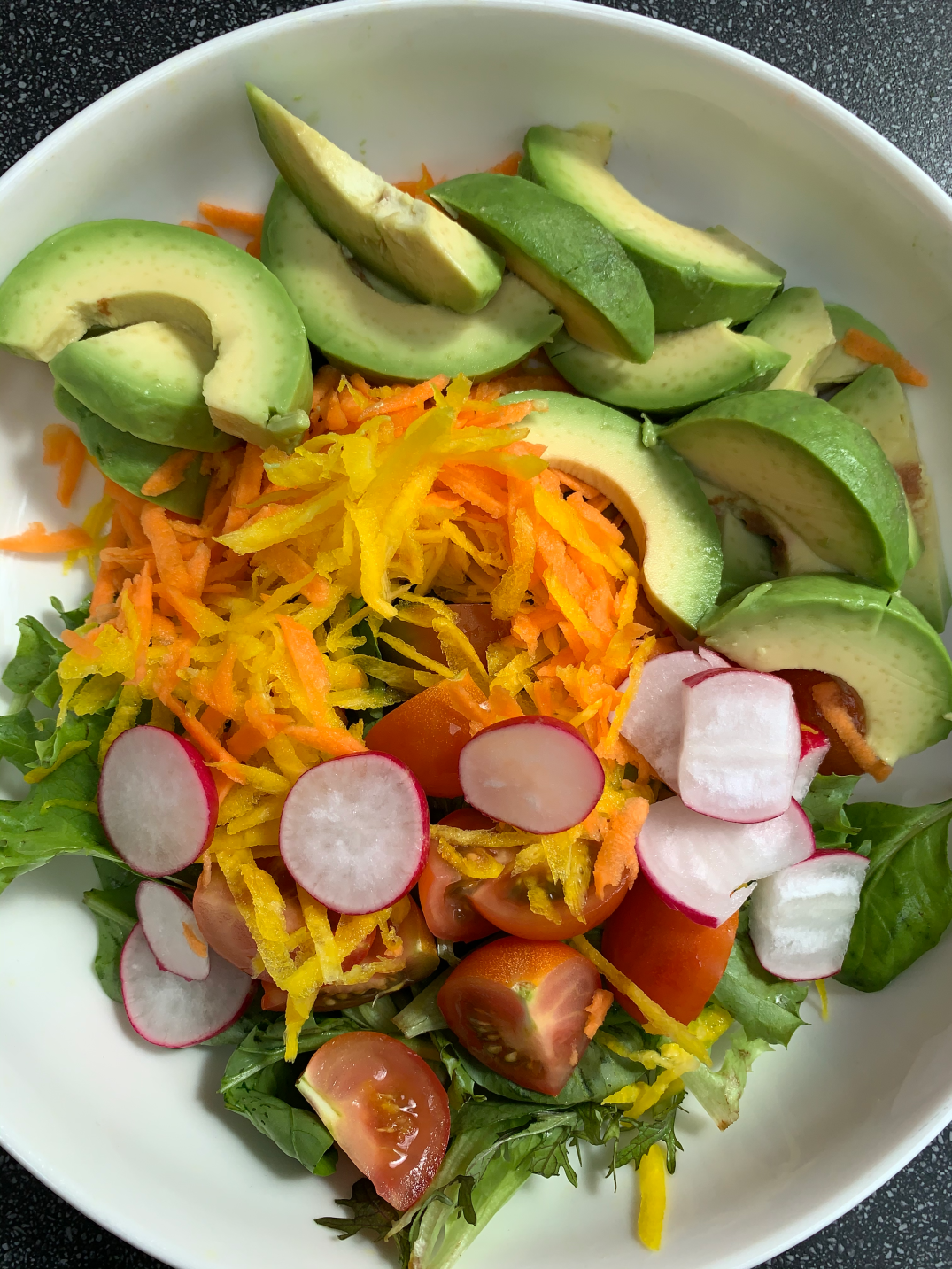
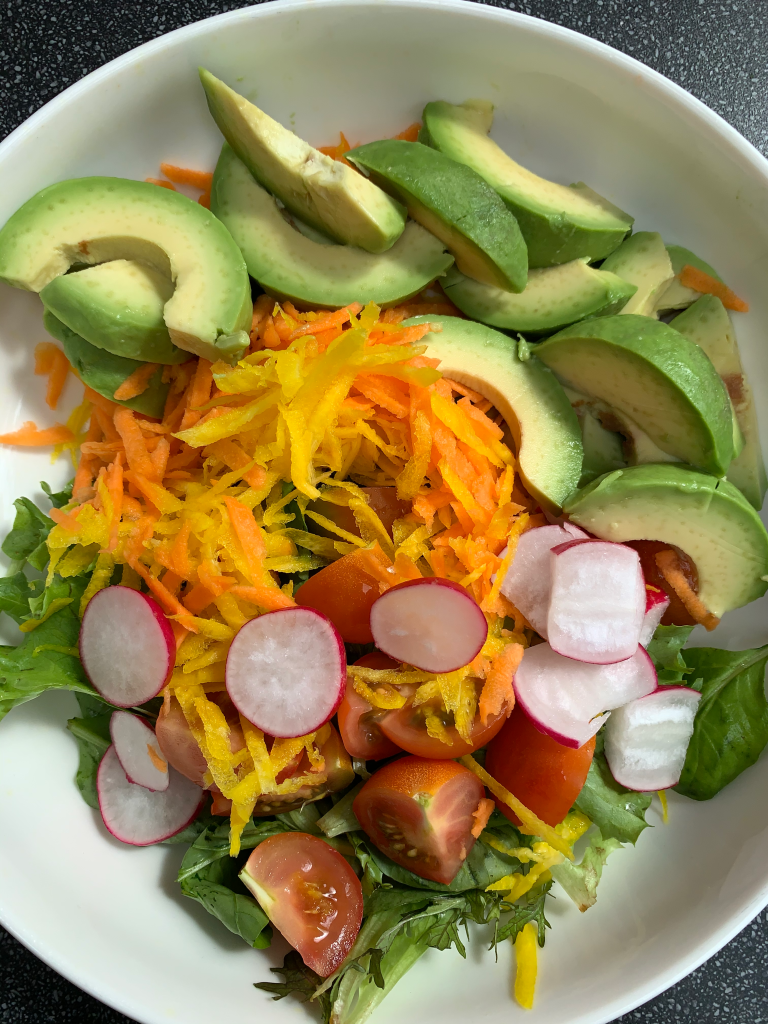
Mixed salad leaves, carrot, golden beetroot, radish, tomato, and avocado make a colourful lunch

Vegan Nut Roast

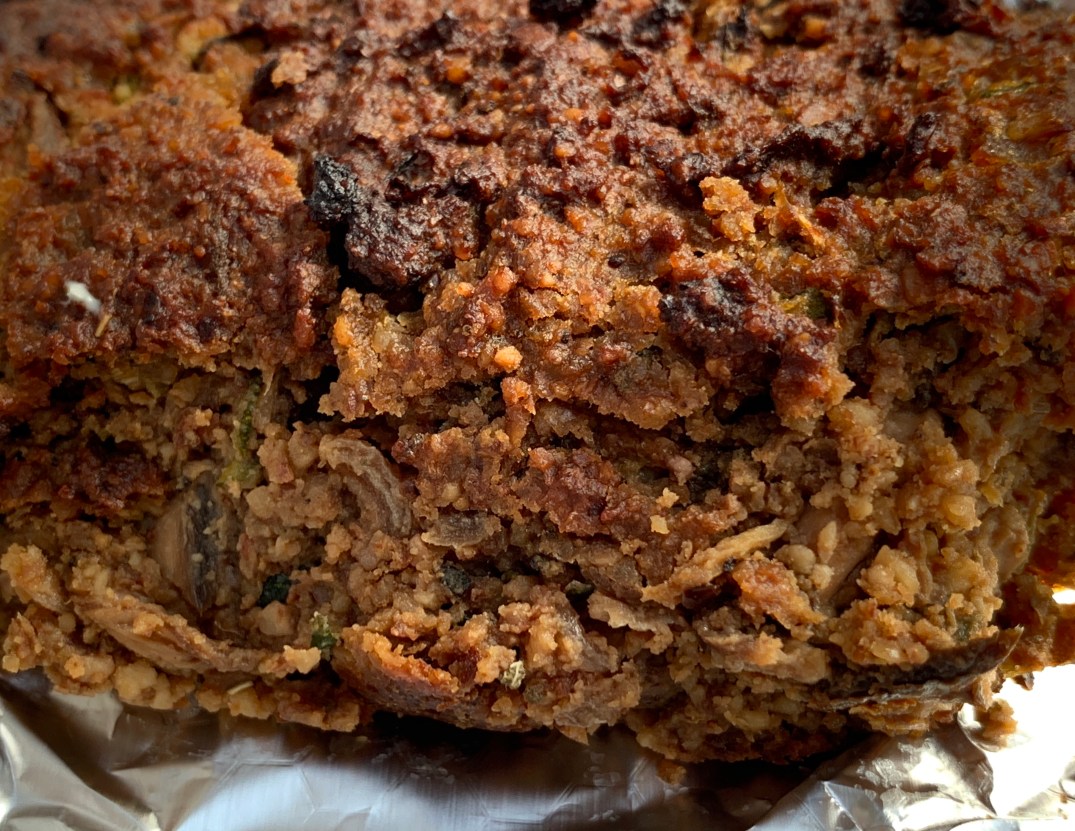
Nut roast is not the most photogenic of foods but it is a really tasty addition to a traditional roast dinner. I have made many variations on the nut roast theme but the one below is a recipe that other people have said is really tasty and a long way from the very dry versions of nut roast that are sometimes found. There is plenty of scope for experiment with this basic recipe, try different combination of nuts, different herbs (or spices) and add in different soft vegetables if you like – I have added red pepper in the past which gives a little touch of colour to the brownness of the roast. The addition of vegetables, and in particularly, courgette makes the roast moist and not too heavy.

Ingredients

  • 200g of nuts ( any combination will do, e.g.walnuts, almonds and cashews)
  • 1 medium onion finely chopped
  • Approx 3 medium size mushrooms sliced and chopped
  • Half a courgette
  • 1 tablespoon of chickpea flour (gram flour) or gf flour (vegetarians could use an egg instead)
  • 1 dessertspoon of miso
  • I tablespoon of sage
  • Olive oil or vegan butter

Method

  1. Put the nuts in a grinder and grind them as fine as possible. I sometimes find that my grinder is a little uneven and leaves a few chunks, I quite like the variety of texture that gives but you may not.
  2. Saute the onion and mushroom to soften them
  3. Put the nuts into a mixing bowl
  4. Grate in the courgette
  5. Add the onion and mushrooms
  6. Add the miso and sage,
  7. Add the chickpea flour – this acts as an egg replacement to bind the loaf, other possible options are flaxseed flour or gluten-free flour though I have not tried them
  8. Mix everything together well, if the mixture is very stiff then you may need to add a little water, if it seems a bit sloppy then add some more chickpea flour.
  9. Grease and line a loaf tin with greaseproof paper (this makes getting the loaf out so much easier)
  10. Pat the mixture into the tin well
  11. Bake for approximately 30 minutes at 200 degrees Celsius
  12. Turn out onto a plate to serve

I often serve this with a gravy that I make using a vegetable stock cube and a dessertspoon of miso with a little boiling water. Cook in a saucepan for about 5 minutes stirring till the lumps of stock cube dissolve.

Left over nut roast will keep in the fridge for several days and can also be eaten cold

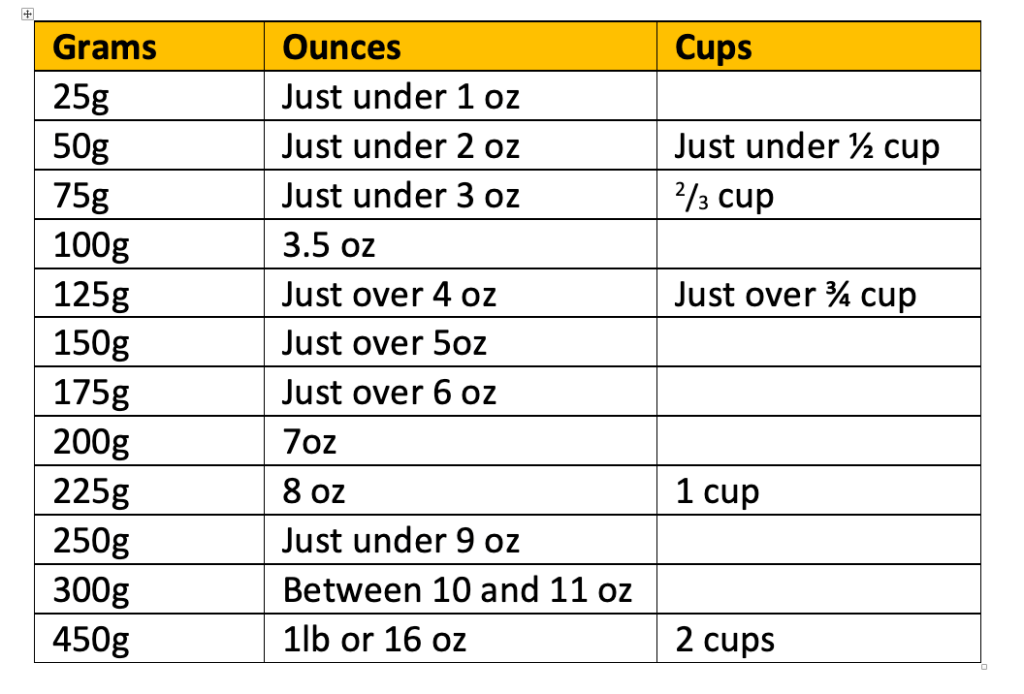
At a glance conversion

To help out those still working in pounds, ounces or cups